Expansion & Contraction in Gutter Systems
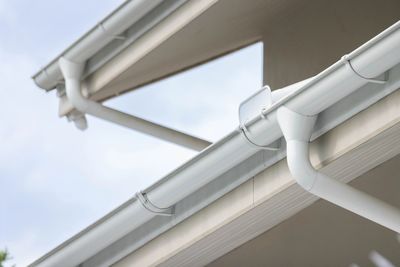
Why It Happens, How It Causes Damage, and What Homeowners should know
Gutter systems—especially aluminum and steel—naturally expand when heated and contract when cooled. This continuous thermal cycling can lead to movement, stress, and deformation if not properly accounted for during installation.
Why Expansion & Contraction Occur
Most gutter materials are metals, which experience thermal expansion.
- Aluminum expands 13.1 micro‑inches per linear foot per 1°F change. A 50‑ft aluminum gutter can expand/contract about 0.401 inches with a 51°F swing.
- Summer heat significantly increases gutter temperature, causing visible expansion; at night, cooling triggers contraction.\
- Repeated cycles stress the system’s connections and joints over time.
How Expansion & Contraction Affect Gutter Systems
1. Warping, Buckling, & Distortion
- Heat can cause gutters to warp or sag, especially aluminum and vinyl.
- Repeated expansion cycles can bend or twist metal gutter runs.
- Heat‑buckling is rare but can occur when long runs and hot conditions combine.
2. Stress at Seams & Joints
- Expansion cycles can weaken seams, causing gaps, leaks, and seam separation.
- Thermal movement loosens hangers, leading to sagging and misalignment.
3. Tear‑Out or Structural Damage
- Unequal expansion (front vs. back face) can cause vertical tearing of aluminum gutters.
4. Interaction With Building Materials
- Wet or new wood fascia can shrink as it dries up to 1.2 inches over 50 ft—intensifying stress on expanding gutters.
5. When Problems Are Most Common
- Summer heat (peak expansion)
- Cold‑weather installations where aluminum is fully contracted, expansion in summer causes buckling\
- Areas in direct sunlight (driveways, sidewalks
Prevention & Best Practices
1. Proper Installation Techniques
- Install with space for natural expansion to prevent buckling.
- Keep gutter runs as level as possible to reduce metal stress.
- Minimize excessive drop; long slopes increase stress.
2. Use Expansion Joints for Long Runs
- Professionals recommend expansion joints to allow independent movement.
- Ideal to limit runs to 50 ft before adding an expansion joint.
- Install joints at high points so water flows away from them.
3. Secure Attachment Methods
- Using front‑and‑back secured hangers or spikes provides stability under heat movement.
4. Regular Maintenance
- Inspect for warping, loosened hangers, bulges, and seam gaps.
- Keep gutters clear of debris; trapped water increases heat buildup.
5. Ensure Proper Attic Ventilation
- Ventilation reduces heat buildup around gutters, minimizing expansion cycles.
Key Takeaways for Homeowners
- All metal gutters expand and contract, and this is normal.
- Problems arise when installation doesn’t allow for movement.
- Long, unbroken gutter runs are most vulnerable.
Expansion joints, correct hangers, and good maintenance dramatically reduce issues