EPDM Roofing System
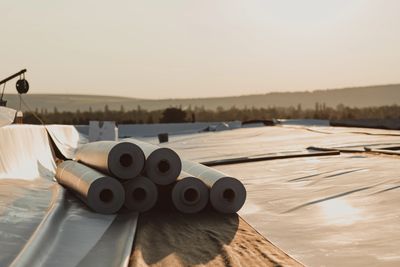
What is EPDM?
EPDM (ethylene propylene diene monomer) is a synthetic rubber membrane used primarily on low‑slope (flat) roofs. It’s supplied in large sheets (commonly 45‑, 60‑, or 90‑mil thick), is highly UV‑resistant, stays flexible in cold weather, and can be installed in multiple ways (adhered, mechanically attached, or ballasted).
Pros and Cons of an EPDM Roof Systems
1. Cost‑Effective
EPDM is one of the most affordable flat‑roofing materials, costing several dollars less per square foot than many alternatives.
It is also inexpensive to install due to its lightweight design and relatively simple installation requirements
2. Durable and Long‑Lasting
EPDM has a long track record of high performance. Properly maintained systems can last 25–35 years, and in ideal conditions even 40–50+ years.
The membrane is highly resistant to UV radiation, ozone, and harsh weather.
3. Flexible in Extreme Temperatures
EPDM remains flexible from -40°F to 300°F, allowing it to withstand thermal expansion and contraction without cracking
4. Eco‑Friendly
EPDM is 100% recyclable and available in white versions that help reflect UV rays and reduce cooling costs. It is also compatible with rooftop gardens and solar panels
5. Lightweight and Low Maintenance
The material is lightweight and typically does not require roof deck reinforcement.
EPDM also resists moss and algae growth, making maintenance easy
6. Fire Resistant
EPDM membranes have a high ignition temperature and built‑in flame‑retardant properties.
Cons of EPDM Roofing
1. Aesthetic Limitations
The appearance is often considered unattractive—usually a black rubber sheet resembling an inner tube. This can reduce curb appeal for visible residential roofs.
White EPDM exists but costs ~30% more.
2. Prone to Punctures
Although durable, EPDM can be punctured by falling branches, sharp objects, tools, or improper footwear.
Users must be cautious with foot traffic and rooftop equipment.
3. Heat Absorption (Black EPDM)
Black EPDM absorbs heat and can increase cooling loads unless a white membrane is used.
4. Professional Installation Required
Improper installation can lead to seam failure or reduced lifespan; EPDM roofing typically requires trained professionals
5. Limited Suitability for Steep Roofs
EPDM works best on flat or low‑slope roofsand is not ideal for steep applications.
Best Maintenance Practices for EPDM Roofs
1.Perform Regular Inspections (At Least Twice Per Year)
Inspect your EPDM roof semi‑annually—typically in spring and fall—and after severe weather. Look for:
- Seam separation
- Gaps or loose adhesive
- Punctures, tears, or bubbles
Problems around flashing, vents, drains, and scuppers
2. Keep the Roof Surface Clean
Remove debris such as leaves, branches, and dirt to prevent membrane degradation and make inspections easier.
A clean surface also helps prevent long‑term wear.
3. Maintain Proper Drainage
Standing water (ponding) can accelerate membrane aging and lead to leaks. Ensure:
- Drains are clear
- Scuppers are unobstructed
Water flows off the roof properly
4. Repair Small Issues Promptly
Address small issues—like punctures, tears, or seam separations—right away using compatible EPDM repair products.
Quick repairs prevent bigger, more expensive problems later.
5. Avoid Harsh Chemicals
Do not use strong or petroleum‑based cleaners. Use mild detergents and rinse thoroughly to prevent membrane degradation
6. Monitor Edges, Seams, and Flashings
Perimeter areas and roof penetrations are high‑risk points. Regularly verify:
- Flashings are secure
- Adhesives are intact
Edges show no signs of shrinkage
7. Protect Against Foot Traffic and Debris
Since EPDM can be punctured by sharp objects or improper footwear, limit unnecessary foot traffic and keep tools or debris off the roof.
8. Schedule Professional Assessments
Even with regular maintenance, professional inspections help identify deeper issues—especially involving seams, adhesives, or structural concerns
Summary Checklist
- ✔ Inspect roof twice yearly + after storms
- ✔ Remove debris regularly
- ✔ Ensure proper drainage
- ✔ Repair small issues promptly
- ✔ Avoid harsh chemicals
- ✔ Monitor seams, edges, and flashing
- ✔ Limit foot traffic
- ✔ Get periodic professional inspections
Contact us for a full evaluation, and pricing for your EMDM Roofing System